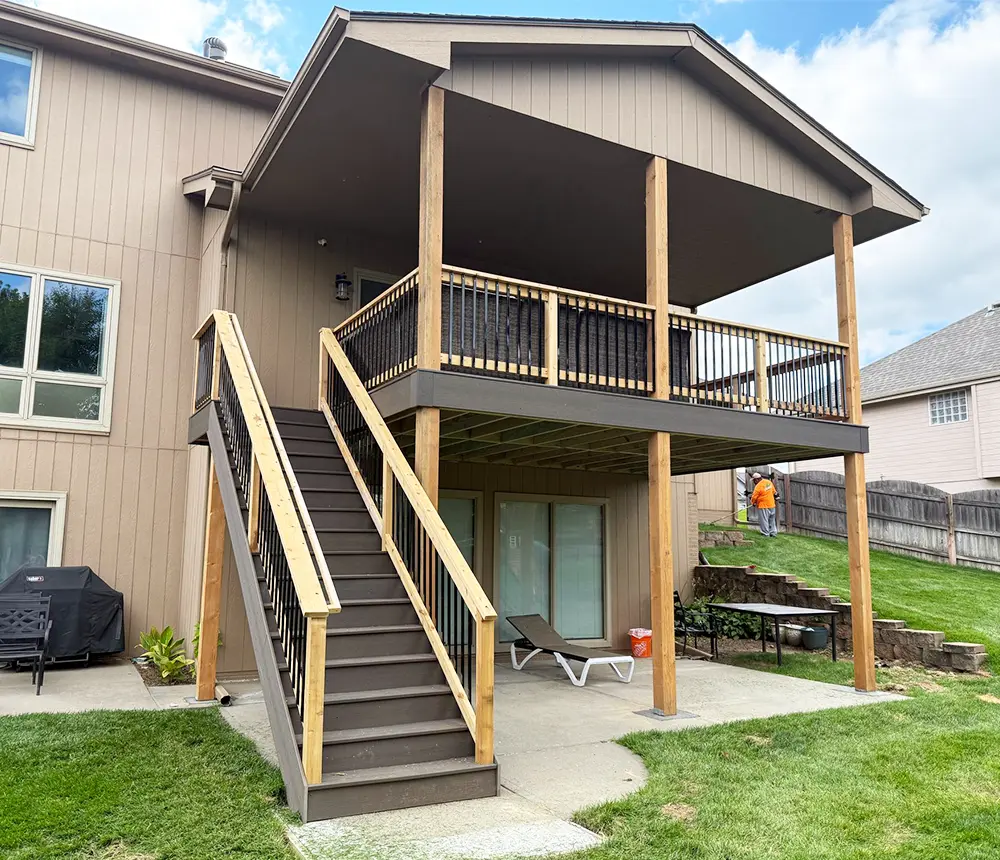
Deck built by Deck Bros in Omaha
Deck Materials Guide

Wood vs. Composite Deck Materials: What Every Homeowner Needs to Know

Choosing deck materials is one of the biggest decisions in any deck project. Get it right and your deck looks great for decades with minimal effort. Get it wrong and you're staining every spring, replacing boards every few years, or spending more than you budgeted.

The Short Answer: Which Deck Material Is Right for You?

Before the full comparison, here's the honest bottom line based on your lifestyle and project goals.

Choose a Wooden Deck if:

  • • You want the lowest upfront material cost
  • • You prefer a natural wood look and are comfortable with regular maintenance
  • • Your project is a smaller deck where maintenance time is manageable
  • • You're planning to refinish or repaint the surface over time anyway
Ideal for budget-conscious homeowners or smaller deck projects.

Choose Composite Decking if:

  • • You want to spend weekend time on your deck, not maintaining it
  • • You're building a larger deck where maintenance adds up fast
  • • You want a longer-lasting surface with no splinters
  • • You're installing in Nebraska's freeze-thaw climate
Ideal for homeowners seeking long-term value and low maintenance.
Both materials can build a beautiful, functional deck. The right choice depends on your maintenance tolerance, budget timeline, and how you plan to use the space.
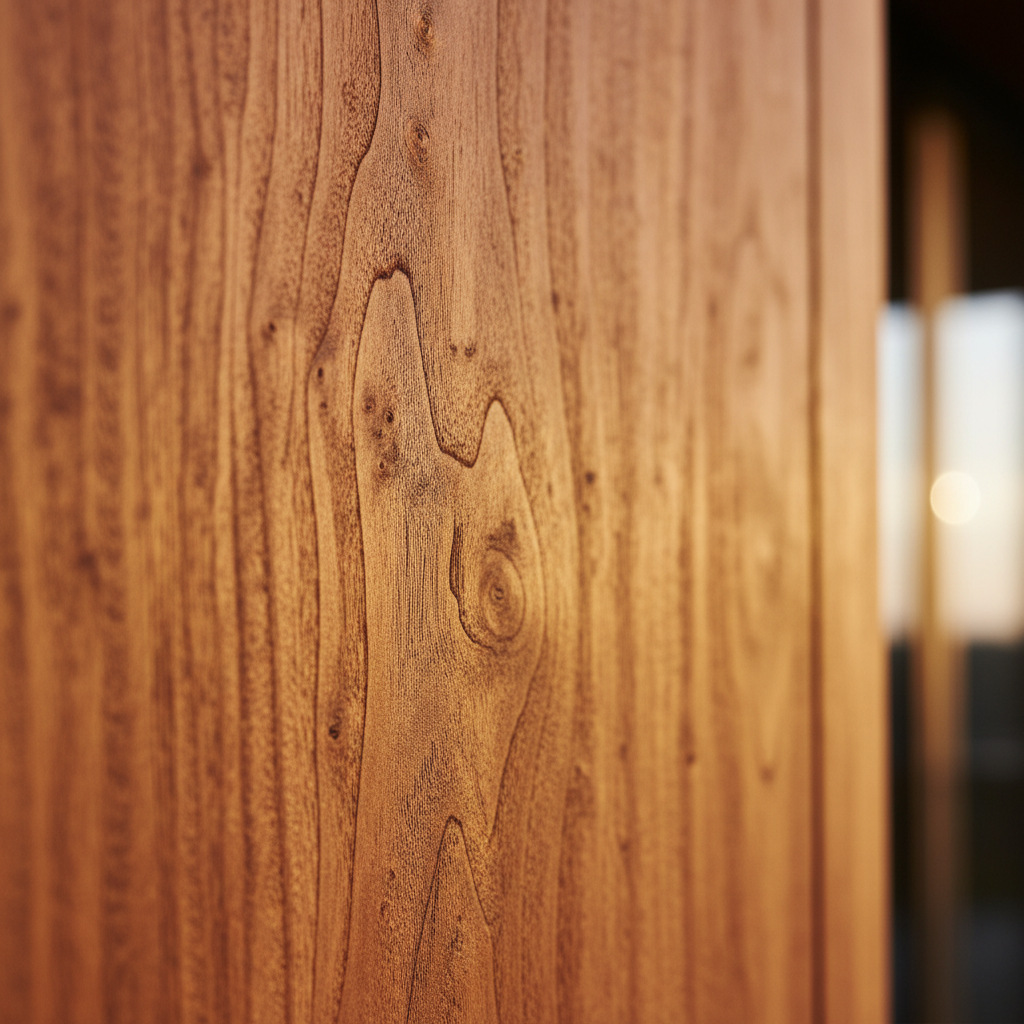
Natural cedar wood grain architectural detail
Material DetailWestern Red Cedar

Wood Decking: The Natural Choice With Real Tradeoffs

A wooden deck brings warmth and character that's hard to replicate. It also brings a maintenance schedule that many homeowners underestimate before they build.

Pressure-Treated Lumber

The most common and least expensive wood option. Chemically treated to resist rot. Expect a 15–25 year lifespan with staining every 2-3 years.

Cedar

Naturally rot-resistant with a refined appearance. A 12×12 cedar deck runs approximately $14,000 installed, but still needs regular sealing to resist weathering.

Hardwoods (Ipe, Tigerwood)

Dense tropical hardwoods known for exceptional hardness. Best suited for homeowners prepared for the premium maintenance and cost.

The Maintenance Reality

In Nebraska's climate, wood expands and contracts significantly. Without annual cleaning and biennial staining, boards absorb moisture, swell, and crack, accelerating wear faster than in temperate zones.

Composite Decking: Low Maintenance, Long-Term Value

Composite decking is made from a blend of wood fiber and plastic, capped with a protective outer shell. It doesn't rot, splinter, or warp from freeze-thaw cycles.

TimberTech

PLATINUM PARTNER

Known for fade resistance and realistic textures. As a TimberTech Platinum Contractor, Deck Bros provides an additional 5–7 years of replacement labor warranty on top of the standard 25-year product warranty.

Trex

Made from 95% recycled materials, offering durability without warping or rotting. One of the most recognized brands in the US.

Fiberon

Offers realistic wood-look textures with multi-year fade and stain warranties across various price points.

Verify current warranty terms with TimberTech directly, as program details may change.

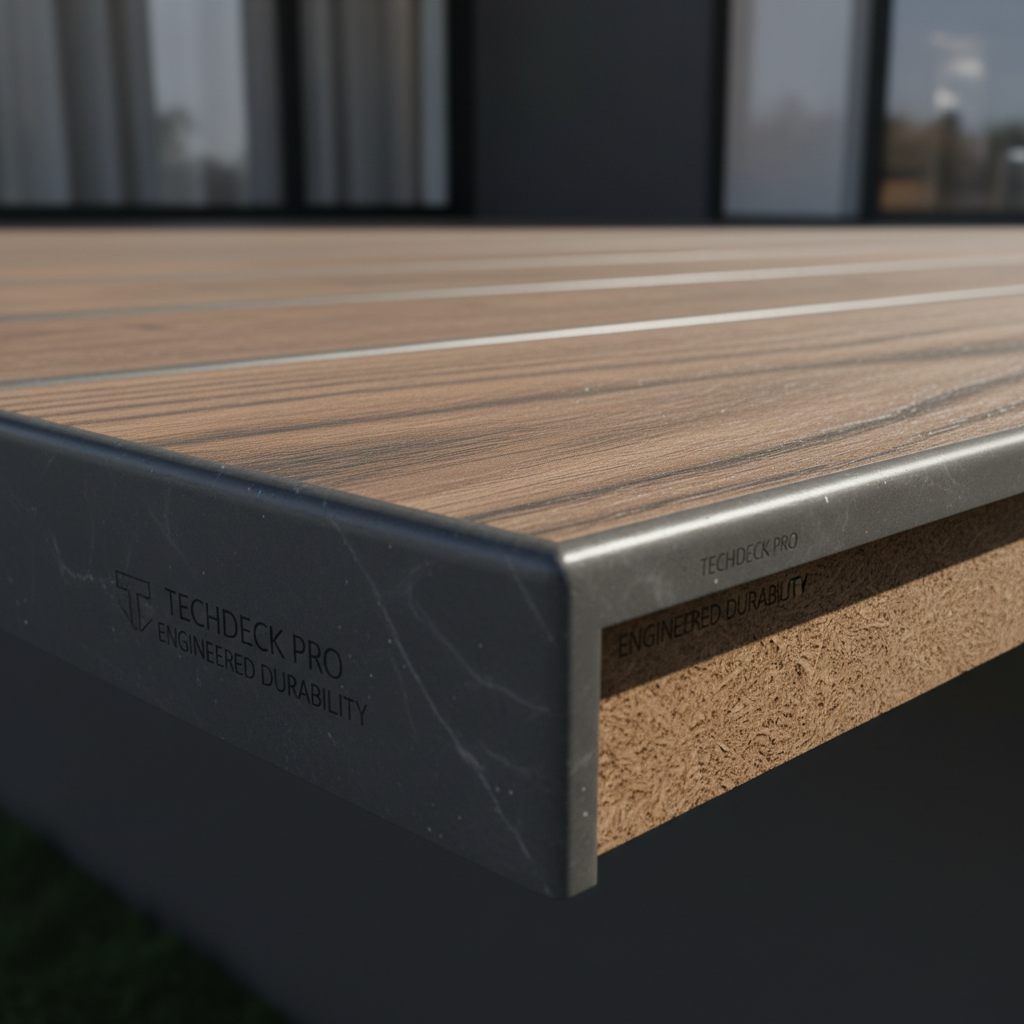
Premium capped composite deck board detail
Engineered DetailCapped Polymer Shell

Wood vs. Composite: Side-by-Side

A factual comparison of how materials perform over the long term.

DimensionWood DeckingComposite Decking
Upfront CostLower material cost; pressure-treated is the most affordable entry point.Higher upfront cost; offset by lower lifetime maintenance spend.
MaintenanceRequires annual cleaning plus staining/sealing every 2–3 years; board replacement over time.Minimal — soap and water cleaning; no staining, sealing, or treating required.
DurabilitySusceptible to moisture absorption, board movement, and cracking without consistent sealing.Capped composite resists moisture and freeze-thaw movement well.
AppearanceNatural beauty that requires active upkeep; grays or weathers if neglected.Holds color and texture; capped composite resists fading and staining.
Lifespan15–25 years for pressure-treated and cedar with appropriate care.25–30 years for quality capped composite with minimal maintenance.

These are general ranges. Actual costs and lifespan vary by product, installation, and climate exposure.

Why Material Choice Matters More in Nebraska

Omaha's climate puts deck materials through a real stress test. Winters regularly bring temperatures below 10°F, followed by spring thaws. That freeze-thaw cycle—repeated dozens of times each season—is hard on wood that hasn't been properly sealed.

Moisture gets into the wood grain, freezes, expands, and cracks the surface. Over time, this accelerates the weathering process significantly compared to milder climates.

Capped composite decking handles these cycles differently. The outer polymer cap resists moisture absorption, so the boards don't swell and contract with temperature the same way wood does.


10°F

Average Omaha winter lows create immense pressure on unsealed wood fibers through thermal expansion.

Composite Durability Advantage

5 Questions to Ask Before You Choose

Your answers will steer you toward the right choice for your household.

1

How much maintenance time are you realistically willing to spend?

If the answer is "very little," composite is the better long-term fit.

Low maintenance = Composite
2

What's your total budget timeline — upfront vs. over 20 years?

Composite costs more upfront but less over time when you account for staining and sealing.

Long-term savings = Composite
3

How large is the deck you're planning?

Maintenance adds up significantly on larger surfaces (600+ sq ft).

Large decks = Composite
4

How long do you plan to stay in your home?

If selling in 3-5 years, upfront cost matters more. For long term, lifespan is key.

Long-term stay = Composite
5

Do you want a certified warranty on materials and labor?

Platinum certification adds labor coverage that wood installs don't have.

Platinum protection = Composite
2,500+
Decks Built
4.9/5
Customer Rating
30+
Years Experience
Platinum
TimberTech Certified
TimberTech Platinum ContractorTrexFiberonBBB AccreditedNextdoor Neighborhood Faves

Common Questions About Deck Materials

For most homeowners staying 10+ years, yes. Savings in maintenance time and materials typically offset the higher upfront cost over a 10–15 year period.
15–25 years if well-maintained. In Omaha, neglected decks can deteriorate in 7–10 years due to intense freeze-thaw cycles.
It features a polymer outer shell (the "cap") that resists staining, fading, and moisture better than uncapped versions.
It's the highest tier of certification. For you, it means an extra 5–7 years of replacement labor warranty on top of TimberTech's 25-year product warranty.
As a reference, Deck Bros has installed 12x12 cedar decks for ~$14,000 and 20x12 composite decks with aluminum railing for ~$27,000.

Ready to Choose Your Material? Start With a Free Quote.

We'll walk you through material options, show you samples, and give you a straightforward quote — no call centers, no vague estimates. Most quotes are completed in 1–2 minutes online.

Direct follow-up with a phone consultation by Luan.